






















Automotive IoT is transforming how we drive by making cars smarter, safer, and more efficient. Through on-demand software development, automakers can roll out new features, improve safety, and enhance the driving experience without replacing the vehicle.
From predictive maintenance alerts to real-time diagnostics and seamless connectivity with smart devices, connected cars are reshaping transportation.
This blog explains how IoT powers connected cars, the benefits it offers, and the challenges involved in building the future of mobility.
Transform vehicles into intelligent, connected machines.
We build automotive IoT solutions that drive innovation and safety.
What is a Connected Car?
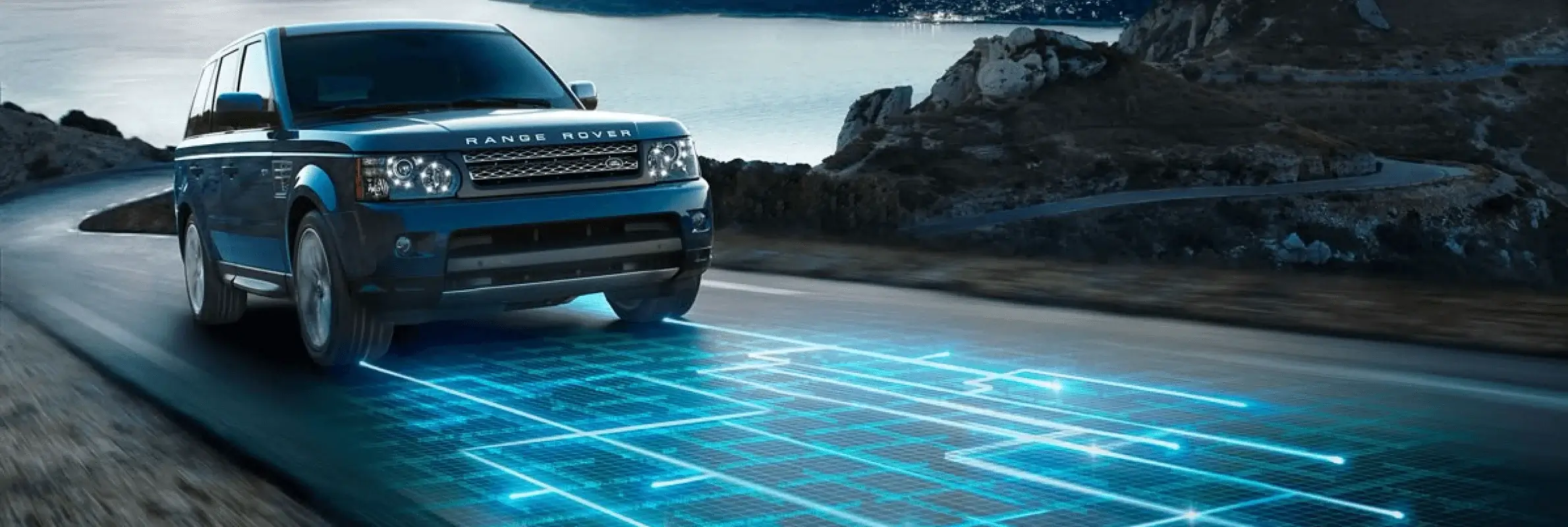
A connected car is a modern vehicle that uses the internet and smart technology to communicate with its surroundings and external systems. By using IoT in the automotive industry, connected cars offer features that make driving safer and more enjoyable. They collect and share real-time data, which helps improve the driving experience compared to traditional cars.
Why Connected Cars Matter?
Connected cars are more than just a convenience; they help create a safer and smarter transportation system. By connecting vehicles to the Internet of Things, these cars improve navigation, help with maintenance, and offer personalized driving experiences.
Core Components of Automotive IoT Solutions
The power of automotive IoT solutions comes from the smooth interaction of different technologies working together to make cars smarter, safer, and more efficient. These core components form the foundation of IoT in the automotive industry, helping cars communicate, process data, and provide valuable insights in real-time.
Sensors and Actuators
FPGAs is predicted to have the largest market growth in the automotive IoT market share for semiconductor components.
Sensors act like the eyes and ears of a connected car. They collect important information like speed, temperature, nearby objects, and road conditions. Actuators then use this data to make the car take action, such as adjusting the temperature or applying the brakes.
Parking assistance systems use sensors to detect objects around the car and help the driver park safely.
Cloud Integration
The cloud is like a central brain for the car, where all the data collected by the car is processed and stored. This makes it possible for features like remote diagnostics (checking the car’s health from a distance), over-the-air software updates, and big data analytics.
If a connected car’s performance data is sent to the cloud, smart algorithms can predict when maintenance is needed before a problem even occurs.
Advanced Communication Protocols
Cars can talk to each other, sharing information like speed, location, and hazards to help avoid accidents. Connected cars communicate with traffic lights, road signs, and other infrastructure to help manage traffic and improve safety.
A car approaching a red light can get an alert through V2I communication, which may help the driver slow down and stop safely.
Artificial Intelligence (AI) and Machine Learning (ML)
AI and ML help cars learn from data and make smart decisions, like predicting how a driver will behave or managing energy usage in electric cars.
Tesla’s Autopilot uses AI to assist with self-driving, helping the car make decisions based on the surrounding environment.
Connectivity Technologies
Technologies like Wi-Fi, Bluetooth, 5G, and dedicated short-range communication (DSRC) allow cars to connect with other devices and share information quickly.
With 5G connectivity, cars can share data almost instantly, helping them respond faster to things like road hazards or accidents.
How Is IoT Changing the Automotive Industry: IoT Benefits
The global Automotive IoT industry is expected to generate US$371.60 billion by 2029.
The Internet of Things (IoT) is changing many industries, and the automotive industry is no different. By using IoT technology, cars are becoming smarter and more connected. This technology helps drivers, car makers, and cities in many ways, from improving safety to reducing traffic.
Here are the main benefits of IoT in the automotive industry:
Improved Safety and Accident Prevention
Cars with IoT have smart safety systems. These systems help drivers avoid accidents by monitoring the car’s surroundings and sending warnings. For example, cars can warn drivers if another car is in their blind spot or if they’re about to get too close to an obstacle.
Volvo uses IoT to send warnings to other cars about dangerous road conditions, like slippery spots, which helps prevent accidents.
Better Navigation and Traffic Management
IoT lets cars get real-time traffic updates, so drivers can avoid traffic jams and find faster routes. This saves time and reduces fuel use.
Google Maps in IoT cars helps drivers by showing live traffic data and suggesting faster routes, helping them reach their destination more efficiently.
Predictive Maintenance
IoT sensors inside cars monitor the car’s condition. If something is wrong, the car will alert the driver before the problem gets worse. This helps prevent costly repairs and breakdowns.
BMW’s system tracks how the car is used and tells the driver when to get maintenance, making sure the car is in good shape.
Easy Connectivity and Convenience
IoT connects cars to smartphones and other smart devices. This makes it possible to control car settings, unlock doors, or even start the car remotely.
Tesla’s app lets drivers unlock their car, start it, and set the temperature from their phone, making it super convenient.
Environmental Benefits
IoT helps cars use less fuel and encourages eco-friendly driving by giving real-time feedback. For electric cars, IoT also helps manage battery life and charging.
The Nissan Leaf uses IoT to let drivers check the health of their battery and see if it needs charging, helping them drive more sustainably.
Why These Benefits Matter
The use of IoT in cars not only makes driving easier but also helps improve safety, reduce pollution, and manage traffic better. As more cars become connected through IoT, these benefits will keep growing, making our cities and roads safer and more efficient for everyone.
Bring smart features to life with seamless technology.
Our team develops on-demand software for future-ready vehicles.
Challenges in Implementing Automotive IoT
While automotive IoT has many benefits, there are some challenges that need to be solved. Automakers, tech companies, and regulators need to work together to make sure IoT applications in automotive are safe and easy to use.
Data Privacy and Security Concerns
Connected cars share lots of personal information, like where you drive and how you drive. This makes them a target for hackers.
New research has shown severe privacy problems in the data practices of Australia’s new internet-connected cars.
Automakers are using encryption (locking data), secure updates, and extra security steps like passwords to protect personal data.
High Costs of Implementation
Adding IoT technology to cars costs a lot of money. Cars need new sensors, software, and communication systems to work well.
Installing smart traffic lights that can communicate with cars is expensive and takes time.
Governments and companies can work together to share the cost of building smart city infrastructure, like smart traffic systems.
Compatibility Issues
Different car makers and technology companies might not use the same systems. This can make it hard for cars and other technologies to work together.
A Ford car might not communicate well with a Toyota car or a smart traffic light if they use different technology.
Industry groups are working to create standards that make it easier for different systems to communicate with each other.
Limited Connectivity in Rural Areas
Connected cars need fast internet to work properly. But in many rural areas, the internet is too slow or unavailable.
5G networks and satellite internet can help provide better connections in rural areas, making IoT cars work better everywhere.
Legal and Ethical Concerns
With self-driving cars and connected vehicles, it’s unclear who is responsible if something goes wrong. There are also questions about who owns all the data the cars collect.
In an accident, should an autonomous car prioritize protecting the driver or the pedestrians?
Governments and automakers need to create clear laws and ethical rules for how connected cars should behave and who is responsible when things go wrong.
How to Overcome These Challenges?
These problems may seem tough, but they can be solved with cooperation. By working together, automakers, tech companies, and regulators can make IoT cars safer and more useful. The key is to keep working on these issues as the technology grows and changes, ensuring connected cars become a helpful part of our future.
Top Trends in Automotive IoT
From self-driving cars to smart cities, the next few years will bring huge changes to how we think about transportation. Here are some of the most important trends to watch:
Autonomous Vehicles
Self-driving cars are leading the way in automotive IoT. These cars use IoT car systems to collect and share data in real-time, helping them navigate safely.
Companies like Waymo and Tesla are using internet of things automotive technology to make their self-driving systems safer and more reliable.
Future Impact:
Autonomous vehicles will reduce accidents caused by human error, make traffic flow smoother, and change how deliveries are made with driverless trucks.
Vehicle-to-Everything (V2X) Communication
V2X technology is all about making cars talk to other vehicles, road infrastructure, and even pedestrians. This will help improve safety and traffic management.
Smart cars with V2X technology will warn nearby vehicles about dangers, such as an accident or traffic jam, making roads safer for everyone.
Future Impact:
V2X will help manage traffic better and protect pedestrians by creating a more connected driving environment.
Electric Vehicles (EVs) and Smart Charging
IoT will make it easier to manage electric vehicles (EVs) and their charging stations. Features like real-time energy monitoring and finding nearby charging stations will become standard.
Systems like ChargePoint are already helping EV owners find and reserve charging stations and track their energy use.
Future Impact:
As more people use electric cars, IoT will help make charging easier and more efficient, contributing to a cleaner environment.
AI-Driven Personalization
With AI and IoT, cars will get smarter and more personal. They will learn what drivers like and adjust settings like temperature and seat position automatically.
BMW’s Personal Assistant uses IoT and AI to remember your preferences for things like music, routes, and climate, making every drive more enjoyable.
Future Impact:
Personalization will make driving more comfortable and convenient, as cars adapt to the needs of each driver.
Integration with Smart Cities
Connected cars will be able to work with smart city systems. This will help reduce traffic, lower pollution, and improve overall urban mobility.
In cities like Singapore, connected cars work with smart traffic lights and other infrastructure to make traffic flow more smoothly.
Future Impact:
Smart cars will help make cities safer and more efficient by reducing congestion and pollution.
Blockchain for Data Security
As cars generate a lot of personal data, keeping that information safe is very important. Blockchain technology will help secure this data and make sure it can’t be accessed by unauthorized people.
Companies like Toyota are exploring how blockchain can help securely share data between vehicles and road systems.
Future Impact:
Blockchain will build trust with consumers by keeping their data safe and ensuring transparency.
Wrapping it Up!
IoT automotive technologies go beyond convenience. They help solve important problems like road safety, environmental issues, and urban mobility. As these technologies improve, they will create a smarter and more connected transportation system. Now is the time to embrace IoT for automotive. This transformation will benefit businesses, governments, and consumers, making transportation safer, smarter, and more sustainable. The future of connected cars is here.
From concept to deployment, we accelerate connected car innovation.
Partner with us to build scalable automotive IoT solutions.