


























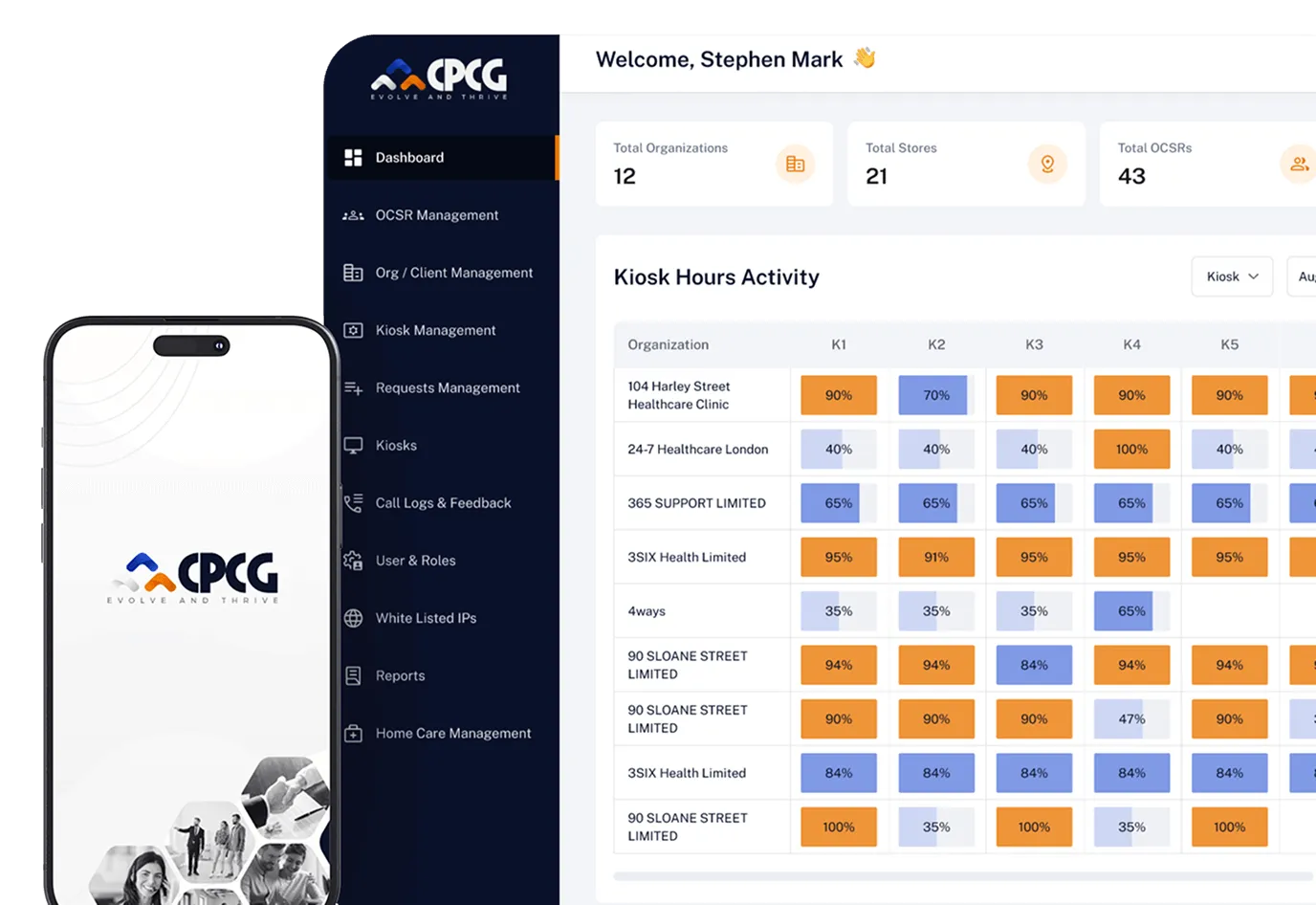
Unified project data across devices to help CPCG manage infrastructure ops more efficiently, with better visibility and fewer delays.


About Us
We're a future-focused tech partner working with some of the world's top enterprises.

 Health Tech
 EdTech
 Logistics
 Real Estate
 Ecommerce
 Sports
 Fintech
 Travel
 Restaurant
 Automotive
HIPAA-compliant digital solutions for hospitals, clinics, and healthtech startups driving better patient outcomes.

Scalable learning platforms for schools, universities, and EdTech startups transforming education delivery.

Real-time tracking and automation solutions for freight companies, warehouses, and delivery services.

PropTech platforms for brokerages, property managers, and real estate marketplaces are streamlining operations.

High-converting commerce platforms for D2C brands, retailers, and online marketplaces are driving revenue growth.

Fan engagement platforms for sports teams, leagues, and betting operators are creating immersive experiences.

PCI-DSS compliant solutions for digital banks, payment platforms, and InsurTech companies, ensuring security.

Booking and hospitality solutions for OTAs, hotels, and tourism platforms, enhancing traveler experiences.

Online ordering and operations software for restaurants, cloud kitchens, and food delivery platforms.

Connected vehicle platforms for automotive OEMs, dealerships, and mobility providers are accelerating innovation.

Portfolio
AppVerticals was featured in Inc. 5000 as America’s Fastest Growing Tech Company
Resources
See what it might cost to bring your app idea to life. Our calculator gives you a quick, simple estimate based on what you need.

AppVerticals delivers interoperability and software integration services that keep core business systems consistent, reliable, and responsive. From API to data integration services and cross-platform pipelines, we manage contract versioning, retries, and data inconsistencies without disrupting transactions or downstream workflows.
Featured In





Baseline performance achieved across complex, multi-system integrations.
35%
reduction in cross-system data inconsistencies
50%
fewer breakpoints across API-driven workflows
99.9%
API uptime across distributed services
5+
Systems coordinated per deployment without workflow disruption
Clutch


20k+ growth community
If you’re not integrating your systems, you're leaving money on the table. Our integration services deliver measurable growth that your business requires.
Integrated systems move your business faster. With fewer delays and better data, expect revenue growth of 20% or more.
Stop paying for inefficiencies. Businesses that integrate cut costs and put more cash back into your pockets.
Growth should never slow you down. With the right integration, you scale 50% faster, handling more business without extra strain.
Integration gives you the data you need, 40% faster, so you can act on insights when it counts, not days later.
Integration reduces workflow disruptions and optimizes processes across departments with increase in overall operational efficiency.





As a custom software development company, we structure interoperability and software integration across APIs, applications, data, and infrastructure. This approach enables seamless data exchange, efficient workflows, and reliable system connections.
Define how systems exchange, interpret, and govern data across platforms, standards, and environments.
Implement industry-specific data standards to ensure structured and compliant data exchange across systems.
Build and deploy interoperability layers that manage data mapping, transformation, and protocol alignment.
Validate system interfaces to ensure accurate data exchange and contract compliance across integrations.
Control how APIs interact across systems with strict contract handling and failure management.
Coordinate business workflows across multiple applications without breaking process flow.
Define how data is structured, transformed, and consumed across systems.
Connect legacy systems with modern architectures through legacy software modernization, while maintaining control over execution flow.
Manage communication and data exchange across cloud and hybrid environments.
Control how external systems interact with internal workflows under variable conditions.
Most integration issues don’t come from missing connections. They come from how systems behave when APIs change, data doesn’t align, or dependencies fail under load. Our engineers solve these challenges with ease.

Upstream API updates introduce payload changes or contract mismatches that break downstream workflows, requiring constant fixes and rework.

Different systems interpret and store data differently, leading to reporting errors, duplicate records, and unreliable automation outcomes.

External APIs and SaaS platforms introduce rate limits, partial failures, and unpredictable responses that disrupt internal workflows.

Legacy system integration often creates gaps where APIs, data formats, and workflows don’t align with modern applications.

Processes involving multiple services fail when one dependency delays, returns invalid data, or behaves unexpectedly during execution.

Without proper validation and transformation, incorrect or incomplete data propagates across systems, impacting analytics and operations.
Systems that speak. Workflows that move. Growth without friction. From AI integration to full-stack modernization, we build seamless ecosystems designed to scale, adapt, and work as one.


API integration services, data integration services, and system integration services are designed to meet regulatory and security requirements across healthcare, fintech, logistics, and enterprise platforms.































We don’t just connect systems. We take ownership of how data behaves, how dependencies interact, and how workflows execute across your architecture.

With over 12 years of expertise, we’ve crafted specialized integration solutions that maximize efficiency and growth potential.

After integration, we ensure full ownership of your system, allowing your team to manage with no ongoing vendor dependence.

We kick off your project in 2-3 days, accelerating timelines and delivering value without delay.

Successfully connected 120+ systems, streamlining workflows and enhancing productivity across multiple sectors.

We specialize in industry-specific integrations, from finance data syncing to healthcare system modernization to solve your unique challenges.

Your business continues running smoothly. We execute integrations without disrupting operations.
We follow a structured approach that defines data contracts, system interactions, and dependency handling upfront. This ensures integrations behave predictably across APIs, applications, and distributed environments.
01
We audit APIs, databases, message queues, and third-party services to map how systems currently interact. This includes identifying tight coupling, undocumented dependencies, and failure-prone integration points.
02
We define data flow, API interaction patterns, and service dependencies across workflows. Synchronous vs asynchronous communication, request sequencing, and system boundaries are finalized before implementation.
03
API contracts, JSON/XML schemas, and data models are standardized to prevent mismatches across systems. Versioning strategies and backward compatibility rules are defined to avoid breaking downstream services.
04
We design the integration layer using REST/GraphQL APIs, API gateways, and event-driven architectures. Technologies like Kafka, RabbitMQ, or AWS SNS/SQS are selected based on system scale and communication needs.
05
Integrations are built with retry logic, idempotency, and rate-limit handling to manage unstable endpoints. Changes are introduced incrementally to avoid disrupting existing workflows and live system behavior.
06
We test API contracts, payload structures, and system interactions under edge conditions. Failure scenarios such as delayed responses, duplicate events, and inconsistent data inputs are validated before deployment.
07
Integrations are deployed with logging, tracing, and monitoring in place using tools like Prometheus, Grafana, or CloudWatch. Your team receives full visibility and control to manage and extend integrations post-deployment.
Work delivered across systems where APIs, data flows, and dependencies were already in use and could not afford disruption. We fixed integration behavior, aligned data across systems, and ensured workflows continued without breakage.
Unified project data across devices to help CPCG manage infrastructure ops more efficiently, with better visibility and fewer delays.

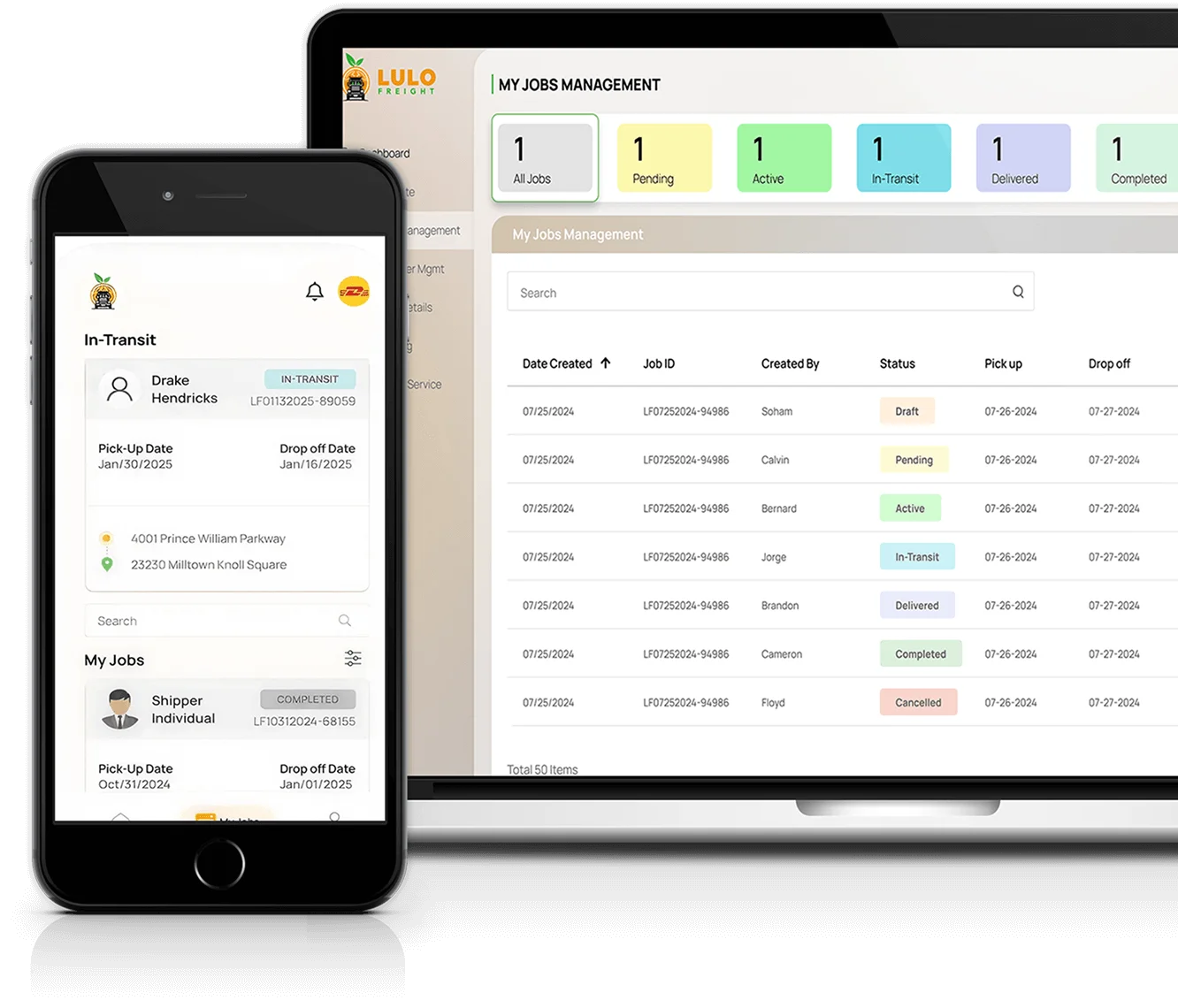
Built a unified digital freight platform that streamlined pricing, tracking, and load matching for logistics operations.
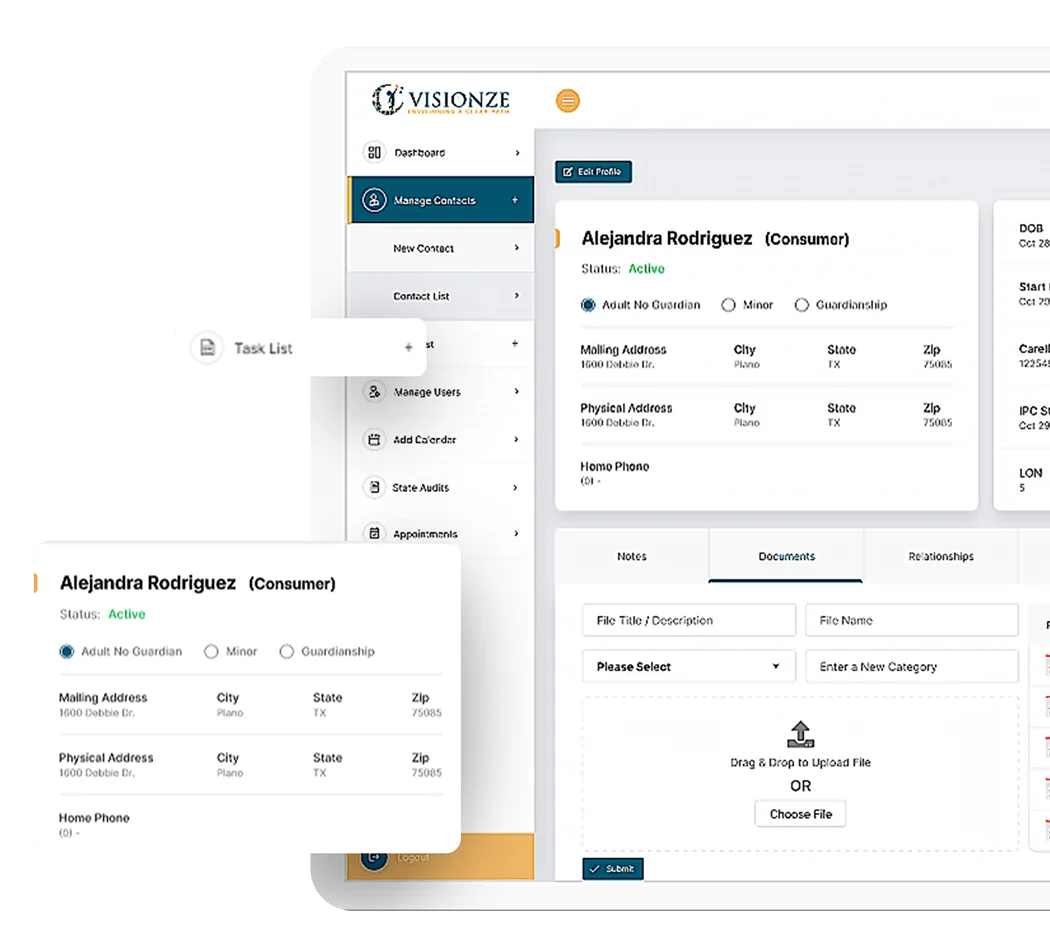

Built a secure digital lending platform that automated loan approvals and streamlined financial operations.
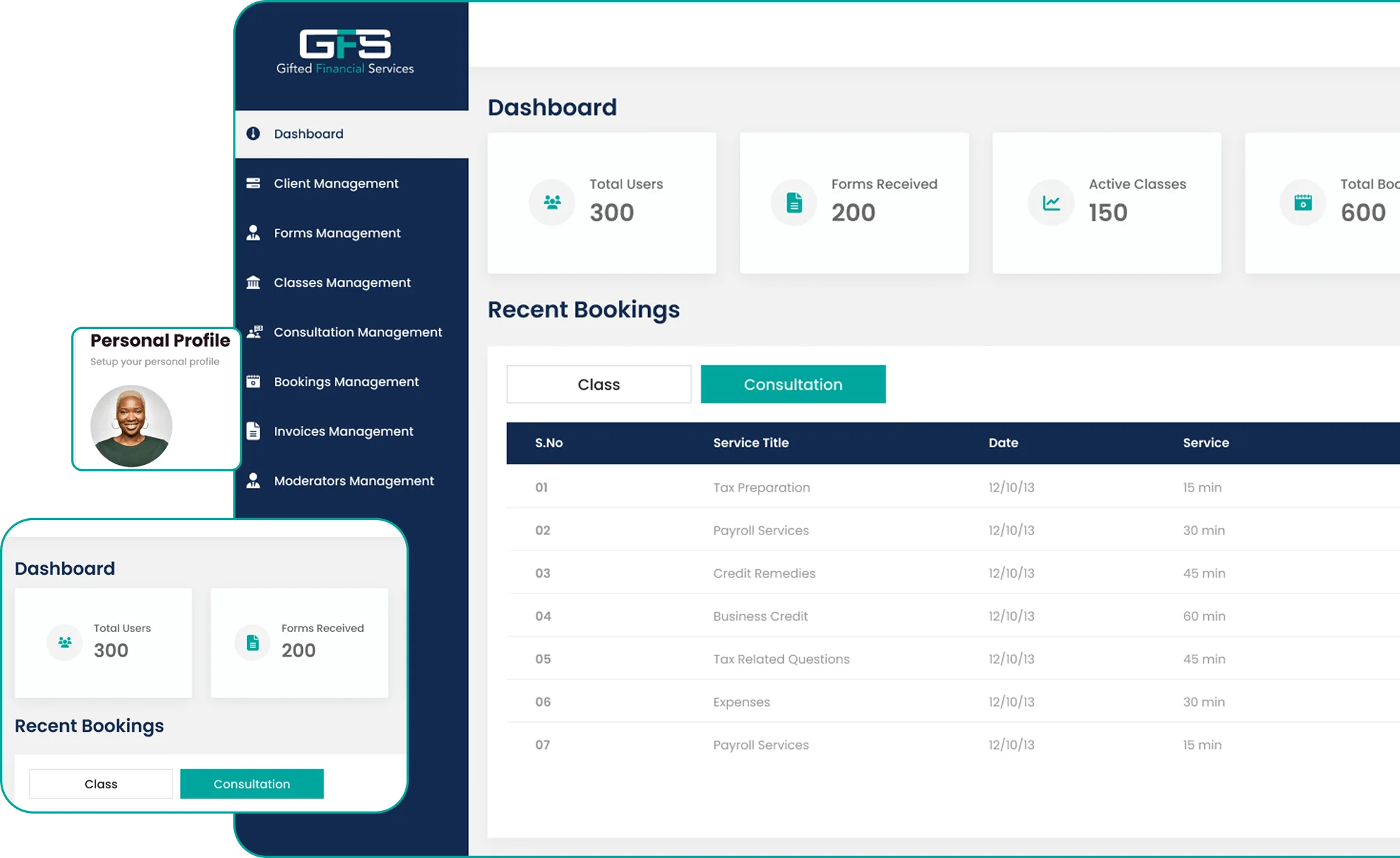

Built a unified education marketplace that connects schools and teachers in one seamless platform.
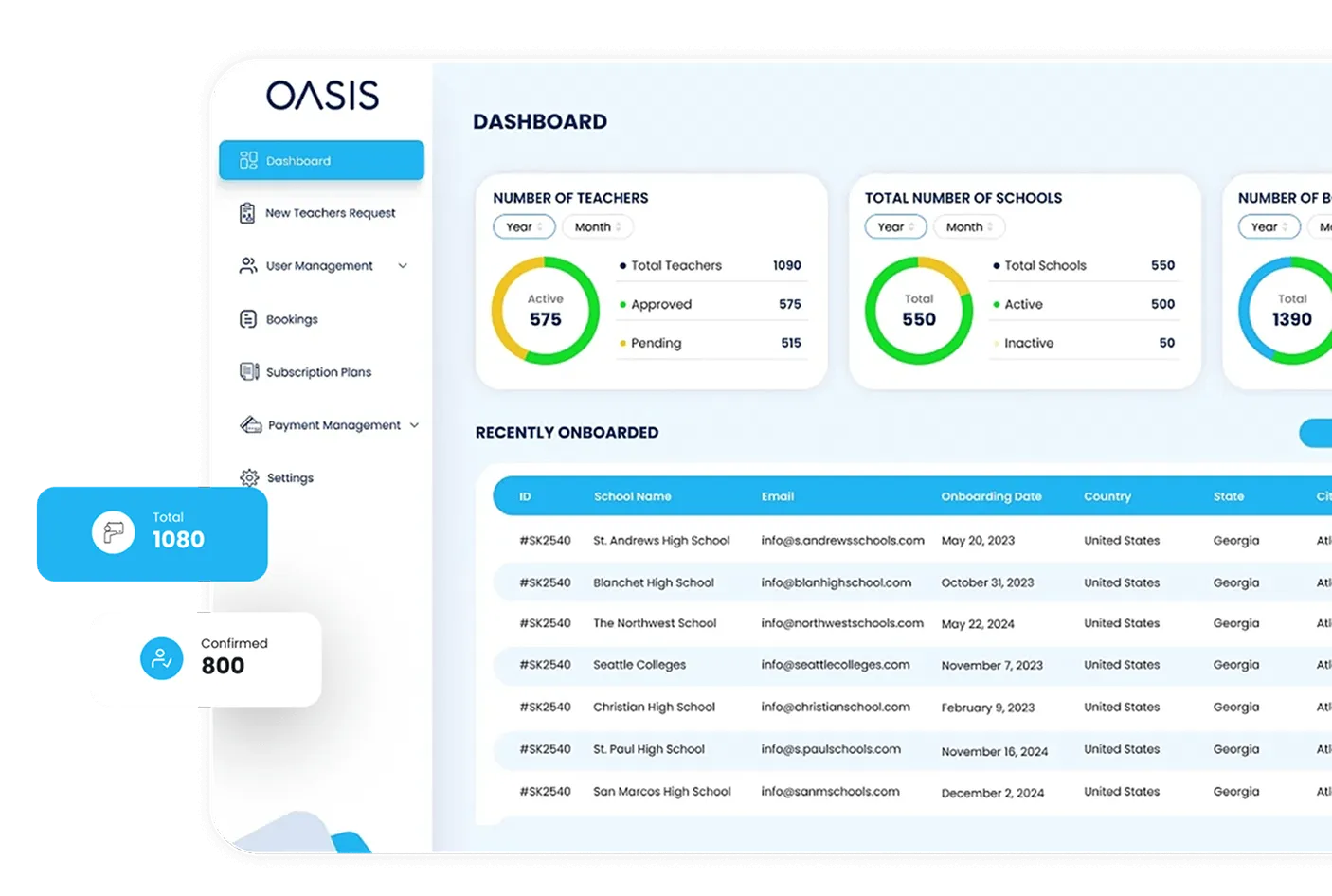
Unified project data across devices to help CPCG manage infrastructure ops more efficiently, with better visibility and fewer delays.
Built a unified digital freight platform that streamlined pricing, tracking, and load matching for logistics operations.

Streamlined EMR workflows across care and billing.
Built a secure digital lending platform that automated loan approvals and streamlined financial operations.
Built a unified education marketplace that connects schools and teachers in one seamless platform.
AI development depends on clean data, stable APIs, and consistent system behavior. We align your API, data, and system integration to support real AI workloads.
We integrate the platforms your business already uses through API, data, and system integration services to keep workflows aligned and data consistent.

Salesforce integrations

HubSpot integrations

Shopify integrations

QuickBooks integrations

Slack integrations

Zendesk integrations

Jira integrations

Jira integrations

Stripe integrations

Google Drive integrations

Monday.com integrations

Power BI integrations

Workday integrations

SAP integrations

ServiceNow integrations

Zoom integrations

Trello integrations

Asana integrations

AWS integrations

Azure integrations
Custom Software, System Integration
Top 5 API Integration Mistakes in eCommerce (& How to Fix Them)
April 17, 2026


Custom Software, System Integration
What Are the Top ERP System Integration Challenges and How to Overcome Them?
April 16, 2026
Interoperability refers to the ability of different systems and applications to exchange data and work together seamlessly, ensuring efficient workflows and streamlined business processes across platforms.
Software integration services typically range from $5,000 to $20,000 for simple API integrations, while multi-system projects involving data integration services and system integration services can range from $25,000 to $100,000+ depending on complexity, number of systems, and data transformation requirements.
The right approach depends on system complexity, number of integrations, and data requirements. Simple workflows may use API integration, while complex environments require custom system integration services with controlled data handling.
System integration involves connecting entire software ecosystems for unified workflows, whereas API integration focuses on connecting individual applications for streamlined data flow and process automation.
Automation tools work for simple workflows, but complex environments with multiple dependencies, data transformation, and system coordination require custom software integration services.
We prioritize security at every step, using encryption, secure APIs, and data validation protocols to protect sensitive information throughout the integration process and beyond.
Integration becomes complex when multiple systems depend on each other, data structures differ, and workflows span across APIs, applications, and databases.
Most integrations fail due to API changes, mismatched data formats, or dependencies between systems that weren’t accounted for. The issue is rarely connectivity, it’s how systems behave under real usage.
Yes. Most projects involve stabilizing existing API integration services or data integration services where failures occur due to contract mismatches, bad data handling, or dependency issues.
Third-party software integration is managed with retries, rate-limit handling, and fallback strategies so failures from external systems don’t disrupt your internal workflows.
Simple API integrations can take a few weeks, while multi-system integration projects involving complex workflows, dependencies, and testing can range from 1 to 3 months or longer depending on scale and architecture.
Yes. Legacy system integration is handled using APIs, middleware, and custom adapters so older systems can work with modern platforms without full replacement.
Data consistency is maintained through schema mapping, transformation, and validation layers, combined with synchronization strategies such as real-time or batch processing and clearly defined sources of truth.
Yes. Our cloud integration services support hybrid environments where cloud platforms and on-premise systems need to work together.
Versioning is managed through API version control, schema governance, and backward compatibility strategies to ensure updates do not break existing integrations. In system integration services, this includes maintaining multiple API versions, implementing version-aware routing, and using contract validation to detect breaking changes before deployment.
AppVerticals has developed 2000+ apps and digital products. Our experts are ready to help you build something amazing.
Submit your details, and our team will reach out to explore how we can bring your idea to life.




1000+ brands trust AppVerticals to create high-performing digital solutions.

Head of Marketing, Al Rostamani Group
Successfully delivered the project on time and within budget. They remained flexible and cooperative with backend content organization, and their support, company culture, and client-centric approach truly stood out.

CEO, Logistics SaaS Startup
The app came together exactly how we hoped. If you're looking for a team that knows what they’re doing and respects your time, they’re a solid choice.

Founder, Real Estate Agency
They delivered a top-tier solution that’s fast, user-friendly, and packed with features tailored to the real estate industry. The team was professional, detail-oriented, and easy to work with from start to finish.








Share a few details and get a clear timeline, cost estimate, and technical roadmap, tailored to your idea.