
















Got an exciting app idea but not sure how to bring that to life and make it a hit in the super-crowded startup landscape of LA.
You’re not alone and probably at the right place.
With over 4000 active tech startups and $8+ billion in annual VC funding flowing into the region, Los Angeles is becoming a center for digital innovations. However, turning an app idea into a successful app startup takes a lot more than just inspiration. You require a fool-proof plan, a scalable product, and of course – the right team supporting you from behind.
Thinking of launching your own app startup in LA?
Let’s turn your idea into a market-ready MVP.
This blog post simplifies the hassle for you – providing a step-by-step guide for successful startup app development in Los Angeles. From validating your ideas and choosing the right development partner to building a dynamic MVP and scaling for growth – the guide covers everything you’ll need to launch a successful app startup in Los Angeles.
Why Los Angeles is the New Hotspot for Startup App Development
If you’re still thinking Silicon Valley is the only place to launch your tech startup from, you must rethink.
Los Angeles has become the center for some of the cutting-edge app startups in the U.S. Thanks to the great mix of industries operating in the state – media, tech, entertainment, wellness, and fashion – LA manages to offer an edge to the creative ideas that other startups hubs can never match. In case you’re out of ideas, check out the top 20 mobile app trends startups should watch in 2025.
Here’s why most tech founders as choosing startup app development in Los Angeles:
Access to Diverse Talent
LA holds a diverse pool of talent. It is not only limited to the great developers and designers but there are content creators, story tellers, growth hackers, and branding pros available under one roof – allowing the transformation of your unique app ideas into vivid realities without compromising any feature or functionality you wish to add. The diversity can help startups create apps that are not just functional but also engaging at an in-depth level and can keep the users hooked forever.
A Growing Investor Network
A major reason why you should opt for startup app development in Los Angeles is the growing investor network of this city. Unlike many, this state offers flowing venture capital. From angel investors to the local VCs and accelerators like Muckerlab and Techstars LA, there are ton of funding opportunities available for the early-stage startups.
Industry-Specific Innovation
Influencer marketing tools, media tech, health apps, Edtech – you name it, LA is innovating that. Startups here are developing solutions that reflect consumer trends and lifestyle of Southern California, and that’s what attract users very quickly.
Collaboration-First Culture
Los angles welcomes collaboration culture more than any other tech city. Founders here are open to connection, sharing knowledge as well as resources with each other and growing. This can be a major support when you’re only starting.
Planning Your App Startup: What Every LA Founder Should Know
Before you start coding or hire a developer to do that on your behalf, it is important to become very clear about what you’re building – and why.
Whether your aim is to gather VC funding or bootstrapping, adequate planning can always set you up for long-term success. Here’s how tech founders in LA can start strong:
Validate Your App Ideas First
Not everything that sounds good to you or looks great on paper can be the users’ choice. The best way to validate your idea is to build a no-code prototype. Test demand with waitlists of landing pages. The core objective is make sure the idea actually interests your target audience before you start spending on development.
Define Your Target Market
LA is a massive and diverse city. It is important for you to define a particular target market before getting started. Think whether you’re building for students, creatives, entrepreneurs, gig workers, fitness lovers, or any other consumer group. Knowing your exact niche sets the foundation for startup app development in Los Angeles. From features to design, language, and monetization – it can guide you for everything.
Choose the Right Business Model
Ad-Supported, Subscription, Freemium? The users in LA are tech-savvy and expect quick value. Thus, it’s important for your choose a model for your startup app development in Los Angeles that can fit both with your audience’s behavior as well as the product.
Think MVP, Not Full Product
It is always the best approach to launch the first version to solve only one clear problem. Do not try going over the board by fitting in all the features in one-go. Instead, focus on building a minimum viable product (MVP) that you can easily scale and learn from.
Work with Startup-Focused Development Partner
While you might know how to code, the best approach is partner with a startup app development company that offers professional services. Pick a team that has worked with startups closely and understand the constraints such as, limited budget, packed timelines, and the continuous need for quicker pivots.
Startup App Development Process: From Idea to App Store
Once your idea is validated and the MVP is defined, it’s finally time to bring it to life. Here’s what startup app development in Los Angeles looks like – especially when working with the right startup app development agency.
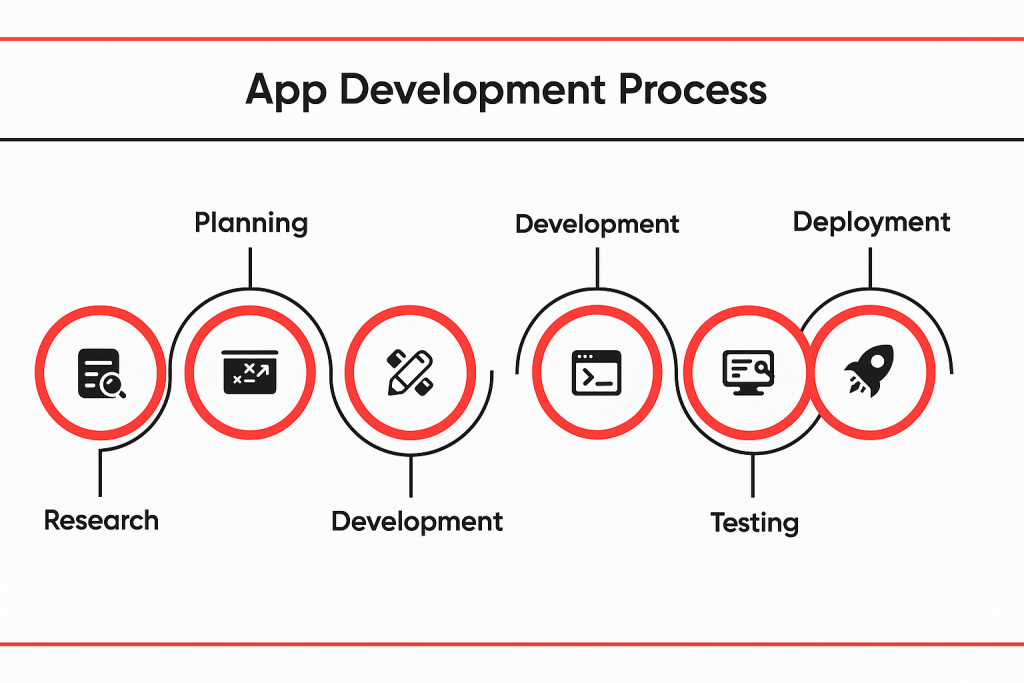
Each stage is equally crucial in transforming your idea into a user-ready, polished product:
Ideation & Feature Planning
This is where strategy meets structure. Based on market research and user feedback, you can work with your development team to:
- Determine what can solve the core pain points of your target audience
- Define the main features of your MVP
- Create a blueprint of user flows and app architecture
Pro Tip: begin with the smallest version of your app that delivers real value. Make it lean and fast so you can easily iterate and scale.
UI/UX for the LA Users
An estimated 75% of the consumers judge a company’s credibility by their design. Especially in a market like Los Angeles where user experience and aesthetics can make or break the adaption, it is crucial for you build a UI/UX design that captures user attention.
A strategically empowered startup web app development company will:
- Focus on clean visuals and intuitive navigation
- Make sure the designs align with your brand’s personality
- Build creative prototypes for early testing
Users of LA expect stylish, smooth and mobile-optimized experiences – make sure your app meets the mark.
Choosing the Right Tech Stack
Should you go with native or cross-platform app development? The question will certainly trigger your mind when planning startup app development in Los Angeles. The answer is simple – look at your app’s complexity, timeline and budget.
- Native is best for heavy-performance apps but require longer development time and higher costs.
- Cross-platform is ideal for MVPs given the cost-effectiveness and less development time.
The leading startup app development companies in Los Angeles often recommend cross-platform for early-stage startups unless there are some very technical requirements.
Agile Development & Iterative Releases
Quick development and easy iterations are the core for successful startups. Agile development methods allow:
- Continuous feedbacks from the users
- Quicker pivots on the basis of real data
- Collaborative sprints with your development team
The key here is momentum and not perfection.
Ready to scale your startup?
Our team helps LA-based startups build, launch, and grow smarter—
How to Choose the Right App Development Partner in Los Angeles
The team you partner with for startup app development, especially – in the early stages, can either make or break it for you. Partnering with the best yet right startup app development company in Los Angeles is a lot more than just hiring coders or developers. It’s about choosing a team that will dedicatedly work on your idea and bring it to life, help you market and gain desired success.
Here’s how you can do that the right way:
Look for Startup-Specific Experience
Remember you do not need a partner that works with enterprises and giant corporations. Instead, you need a startup app development company that can understand your idea, relate with your business needs, and know:
- How to build successful MVPs in no time
- The significance of working within the budget
- To adapt with the shift in priorities and trends
You can always ask for their case studies or even talk to their past clients yourself for validation.
Evaluate Technical & Strategic Fit
Successful startup app development is not just about choosing the right tech stack. You ideal partner should also:
- Offer both product and development strategy
- Be familiar with mobile app development, specifically have working experience with startups
- Have strong UI/UX chops in alignment with LA’s design-savvy users
- Give them bonus points if their services comes with a post-launch support and scaling guidance
Ask the Right Questions
When making your choice, it is crucial to ask questions like:
- Can you walk me through your sprint process?
- How do you handle product pivots?
- Have you worked with startups based in LA before?
- Do you help with app store analytics and deployment?
Prioritize Communication & Transparency
While founders often overlook, communication is critical in successful startup development. You should never be wondering about what is happing with your app when working with a development company. A trustworthy partner will keep in you in the loop, communicate with transparency and always:
- Set clear expectations and timelines
- Share progress through updates and demos
- Be upfront about delays or roadblocks
Don’t Just Buy Code – Buy a Long-Term Partner
The best startup app development companies do not just build codes or the first versions of your app. Instead, they put down foundation for the future leader products. Choose a team that can truly invest in your growth and stay by your side for a longer time, not just the one that can assist you till the launch.
Startup App Development Cost in Los Angeles: A 2025 Breakdown
Knowing the cost is crucial for tech founders planning to invest in startup app development.
The question ‘how much does it cost to build a startup in Los Angeles in 2025’ must have popped in your mind too.
The truth is – it varies based on multiple factors. However, we can still break it down for you to budget smarter as follows:
Average Cost Ranges (MVP Build)
- Basic MVP: $25,000 – $45,000
- Mid-complexity startup app: $50,000 – $80,000
- Feature-rich or niche apps (fintech, healthtech, etc.): $90,000+
These are average rates offered by any top-tier startup app development company in Los Angeles that offers quality with creativity.
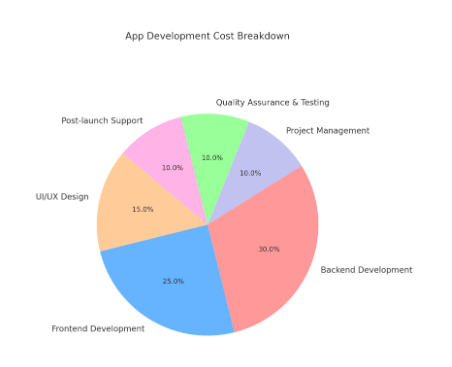
What Influences the Price?
Multiple factors come together to influence your mobile app development cost in Los Angeles:
- App complexity: more features, screens, and integrations = higher costs
- Design needs: custom UI/UX design is sure worthy but certainly adds to your overall budget
- Tech stack: cross-platform apps costs less than those build with native platforms
- Backend infrastructure: Real-time video, chat, AI, and APIs all add to the total development cost.
- Who you hire: local agencies in LA might cost you more than offshore ones. However, they can provide adequate cultural alignment and strategic value to your product.
Pro Tip: work with a startup app development agency that offers open pricing models and help with prioritizing features on the basis of your budget.
Cost-Saving Tactics That Don’t Compromise Quality
- Build core essential features for your MVP
- Use cross-platform frameworks such as, Flutter and React Native
- Pick reusable design components
- Work in sprints and iterate based on user feedback
- Use pre-built APIs wherever possible (e.g. Firebase, Stripe)
Not sure how much your app might cost?
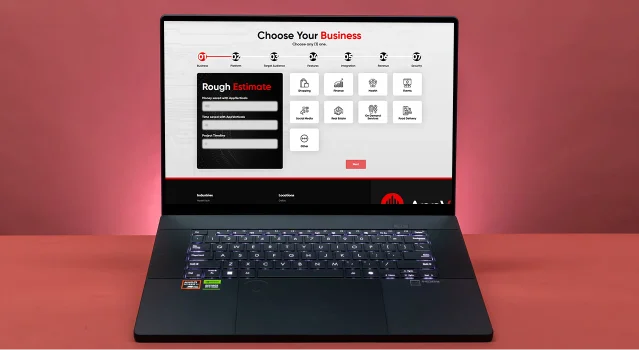
Use our App Development Cost Calculator to get an instant estimate based on your startup’s needs.
How to Monetize and Grow Your App Post Launch
Now that your MVP is live, what’s next?
This is where many startups stall. While you think that’s the end, launching a startup is only half of the game. The next step requires turning your product into a business. Here’s how you can monetize and scale smartly in the ever growing LA market.
Pick a Monetization Model That Suits Your Business
While most of them look appealing, not every monetization model goes well with your audience and is equal. It is crucial to pick the one that truly aligns with your users’ behavior and offers what they expect and value. They include:
- Freemium – Best for apps that offer ongoing value such as, fitness apps. It lets the users try for free and then upsells for additional features.
- Subscription- Ideal for apps that require regular engagement such as, education, fitness, and content, etc.
- In-app purchases – Common for feature upgrades or mobile games.
- Ads – This model only works with high-engagement, bigger apps.
- Pay-to-download – A rare option for startup apps unless you’re offering some high-value, niche-specific tools.
Growth Strategies for LA App Startups
With so much competition around, it takes something special to stand out. A solid strategy and smart execution maybe. Here’s how founders in LA get the best traction:
- Leverage Local Community – use demo-days, networking events, and startup accelerators based in LA to promote your product.
- Influencer Marketing – micro-influencers in LA can drive massive visibility for early-stage startups.
- App Store Optimization – optimize your keywords, app title, visuals, and reviews to get found organically.
- Content + SEO – come up with a landing page strategy or publish a blog targeting niche-specific search terms such as, productivity app for LA freelancers, etc.
- Referral Programs – turn your users into brand ambassadors and marketers with premium access or rewards.
Track, Learn, and Iterate
You cannot really grow what you don’t measure. It is always ideal to use analytics tools such as Mixpanel, Firebase, or Amplitude to keep track of:
- Feature usage
- Drop-off points
- Retention rates
- Revenue per user
Successful startup app development in Los Angeles is not a one-time action. Growth requires consistent efforts and iteration based on real-time feedback.
Build the Next Big Startup App in LA with AppVerticals
Launching a successful startup app in Los Angeles is not only about bringing a bold idea to life – it’s about strategy, execution, timing, and the perfect development partner. From validating your idea to building a lean MVP and scaling via smart monetization and growth strategies, the LA tech scene certainly rewards those who stay flexible, move fast, and think user-first.
Whether you’re a small team, a solo founder, or a funded startup – partnering with AppVerticals, a leading mobile app development company, can help you build the next big app in LA. With a close understanding of the apps market and command over mobile app development, we can actually take your startup app ideas to life, transforming them into successful digital products that the target consumers love to interact and engage with.
Ready to Turn Your Vision into Reality
Partner with our specialized startup app development team at AppVerticals and turn your idea into a digital success.