









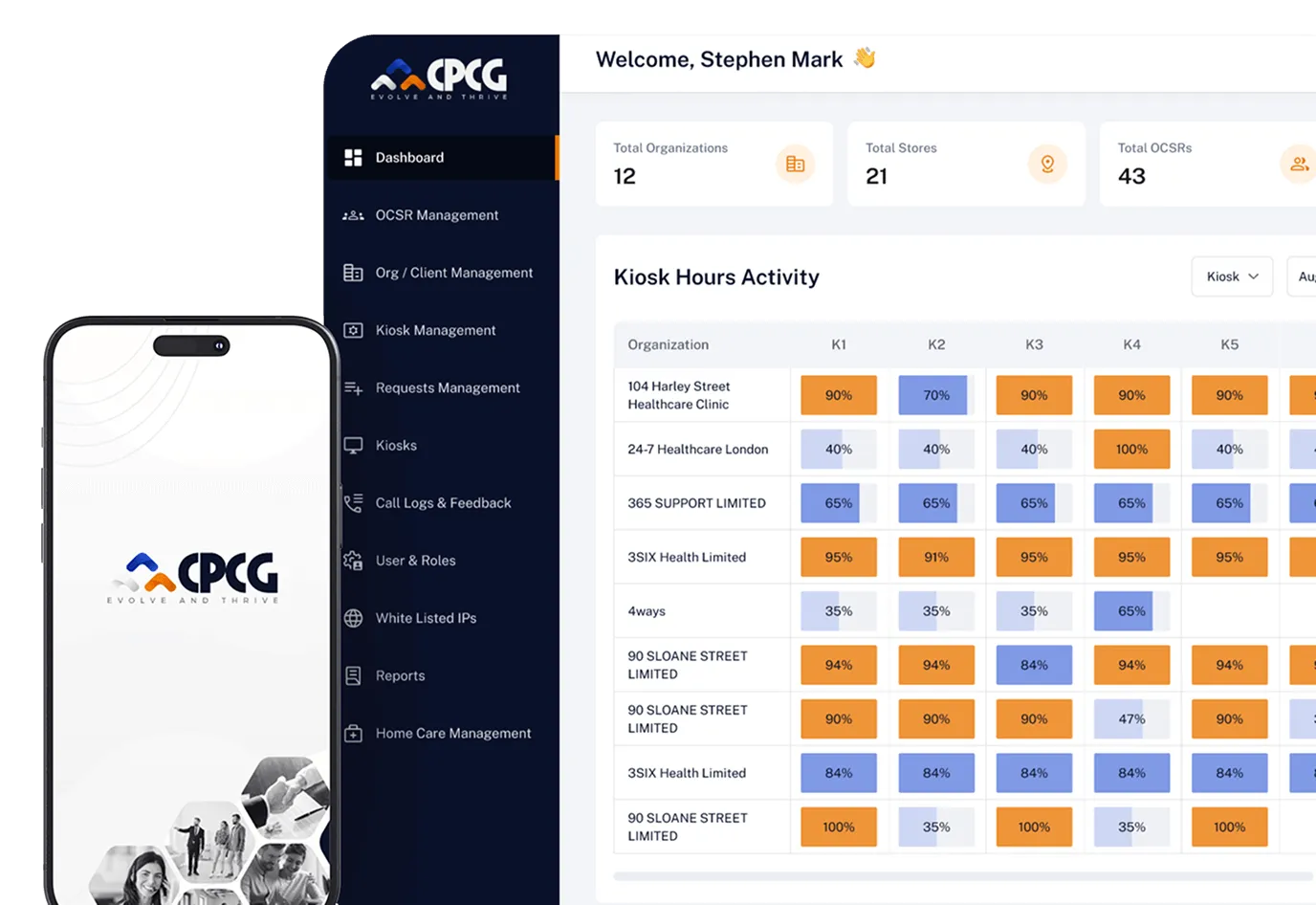
Unified project data across devices to help CPCG manage infrastructure ops more efficiently, with better visibility and fewer delays.


About Us
We're a future-focused tech partner working with some of the world's top enterprises.

 Health Tech
 EdTech
 Logistics
 Real Estate
 Ecommerce
 Sports
 Fintech
 Travel
 Restaurant
 Automotive
HIPAA-compliant digital solutions for hospitals, clinics, and healthtech startups driving better patient outcomes.
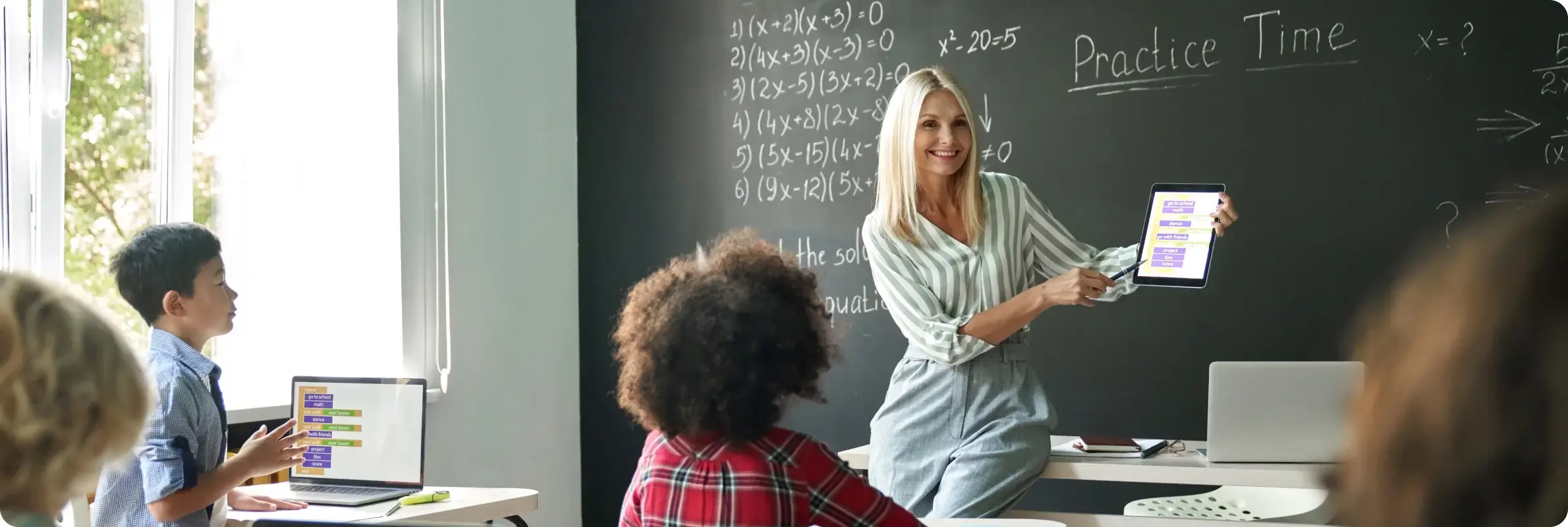
Scalable learning platforms for schools, universities, and EdTech startups transforming education delivery.
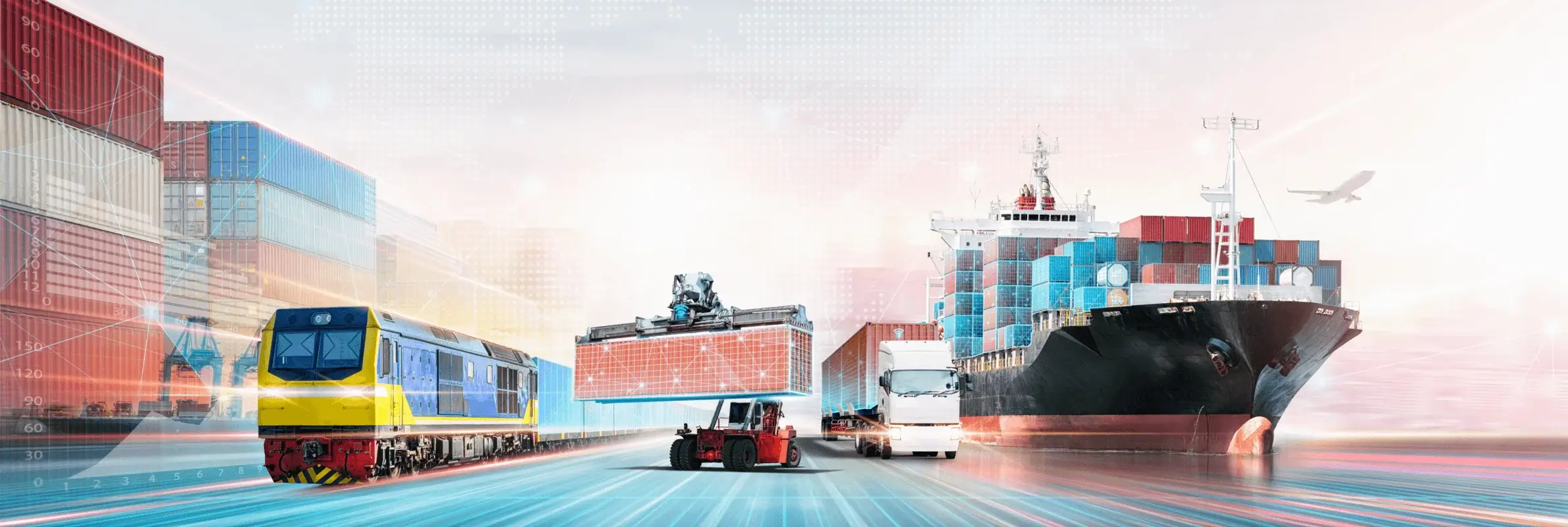
Real-time tracking and automation solutions for freight companies, warehouses, and delivery services.
PropTech platforms for brokerages, property managers, and real estate marketplaces are streamlining operations.
High-converting commerce platforms for D2C brands, retailers, and online marketplaces are driving revenue growth.

Fan engagement platforms for sports teams, leagues, and betting operators are creating immersive experiences.

PCI-DSS compliant solutions for digital banks, payment platforms, and InsurTech companies, ensuring security.

Booking and hospitality solutions for OTAs, hotels, and tourism platforms, enhancing traveler experiences.

Online ordering and operations software for restaurants, cloud kitchens, and food delivery platforms.

Connected vehicle platforms for automotive OEMs, dealerships, and mobility providers are accelerating innovation.

Portfolio
AppVerticals was featured in Inc. 5000 as America’s Fastest Growing Tech Company
Resources
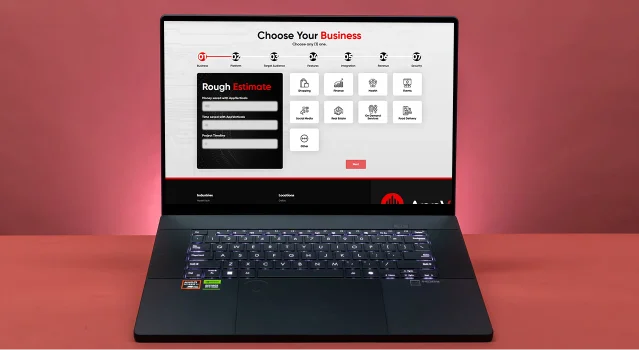
See what it might cost to bring your app idea to life. Our calculator gives you a quick, simple estimate based on what you need.
Upgrade legacy systems without rebuilding everything. Improve performance, scalability, and integrations while keeping operations stable. We deliver legacy software modernization services that replace unstable modules, fix failing integrations, and remove rigid architecture blocks so releases move faster and systems stay reliable.
Featured In




fewer production incidents after system stabilization
faster release cycles with CI/CD-driven deployments
API uptime across integrated system environments
reduction in data inconsistencies during migration
We modernize legacy systems to untangle complex environments without forcing unnecessary rebuilds.






As a legacy software modernization company, we step into complex legacy environments, identify what’s worth keeping, and rebuild only what’s holding you back, so you don’t lose years of system value while fixing what’s broken.
Know exactly what to change, and what not to touch. You avoid costly missteps and move forward with a plan grounded in how your system actually behaves in production.
Fix structural issues in your system while improving code quality underneath, without disrupting what already works.
Shift from infrastructure limitations to controlled, scalable environments without breaking existing workflows or system behavior.
Bring your interface in line with how users expect software to behave today, without rewriting the entire backend system.
Move away from technologies that limit hiring, maintenance, and long-term scalability across your system.
Make your systems communicate without manual effort or patchwork fixes across different platforms and services.
Move and restructure your data so it becomes reliable, accessible, and ready for future systems and reporting.
Break down tightly coupled systems into flexible, independent services without disrupting core business operations or data flow.
Introduce automation across development, deployment, and security so your system evolves faster without compromising control or compliance.
Stop working around system limitations. Get a focused modernization plan that removes bottlenecks without disrupting operations.
As a legacy software modernization company, we execute modernization at the architecture and component level, so changes are controlled, traceable, and aligned with real system constraints.

We analyze code structure, service boundaries, and data flows to expose tight coupling, hidden dependencies, and system-critical components.

We identify runtime limitations, scaling constraints, and failure points that restrict throughput, stability, and system behavior under load.

We define whether to apply rehosting, replatforming, refactoring, or rebuilding based on system condition, complexity, and long-term viability.

We break the system into modular units and plan phased execution to isolate changes without impacting core functionality.

We modernize components alongside existing systems, allowing controlled transition without disrupting active workflows.

We validate data consistency, API contracts, and inter-service communication to ensure stable operation across legacy and modernized layers.

We optimize resource usage, system responsiveness, and workload handling to support future demand and integrations.
A selection of legacy systems we’ve modernized across different environments. We have a strong focus on improving how systems function, integrate, and scale in real-world use.
Unified project data across devices to help CPCG manage infrastructure ops more efficiently, with better visibility and fewer delays.

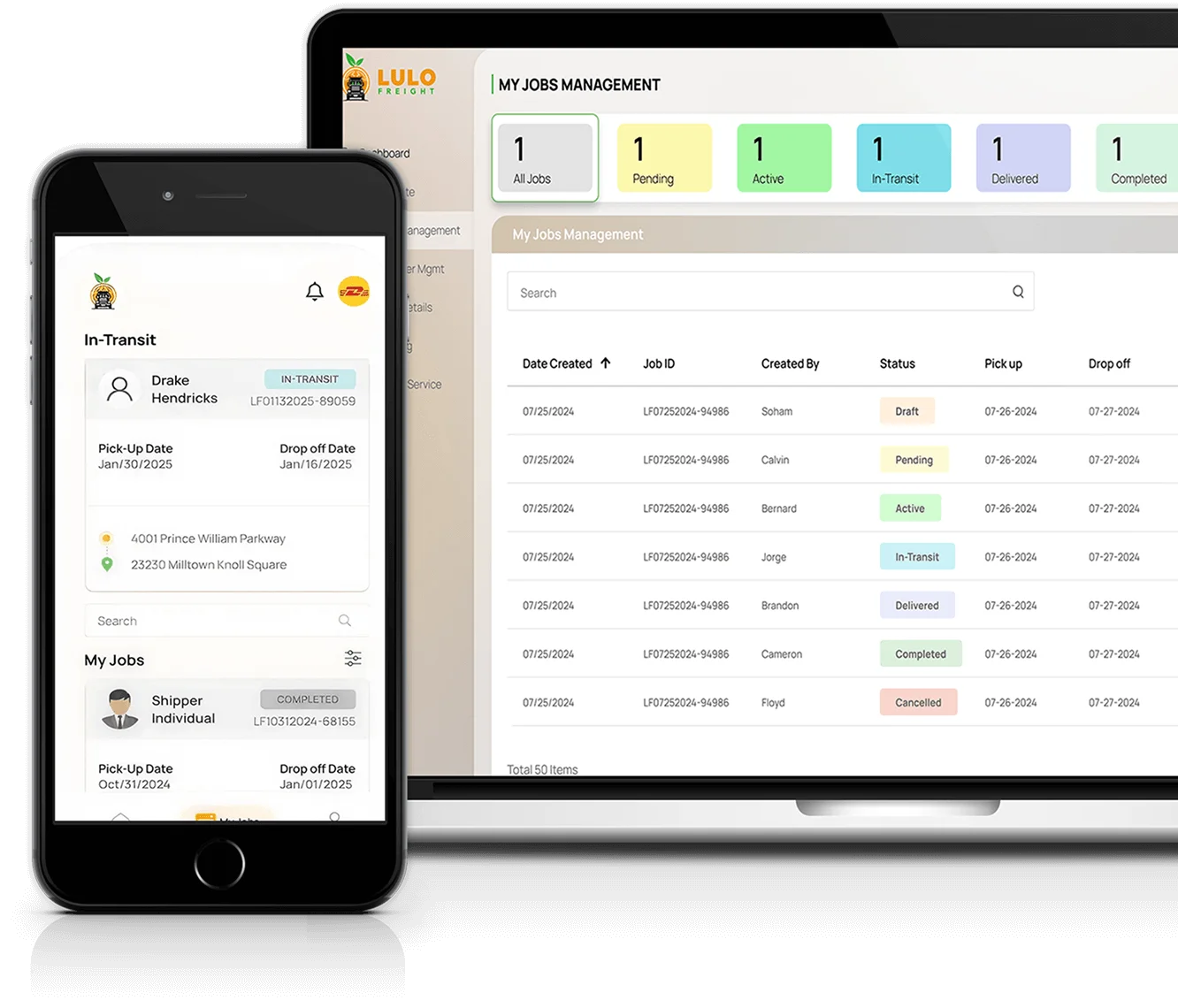
Built a unified digital freight platform that streamlined pricing, tracking, and load matching for logistics operations.
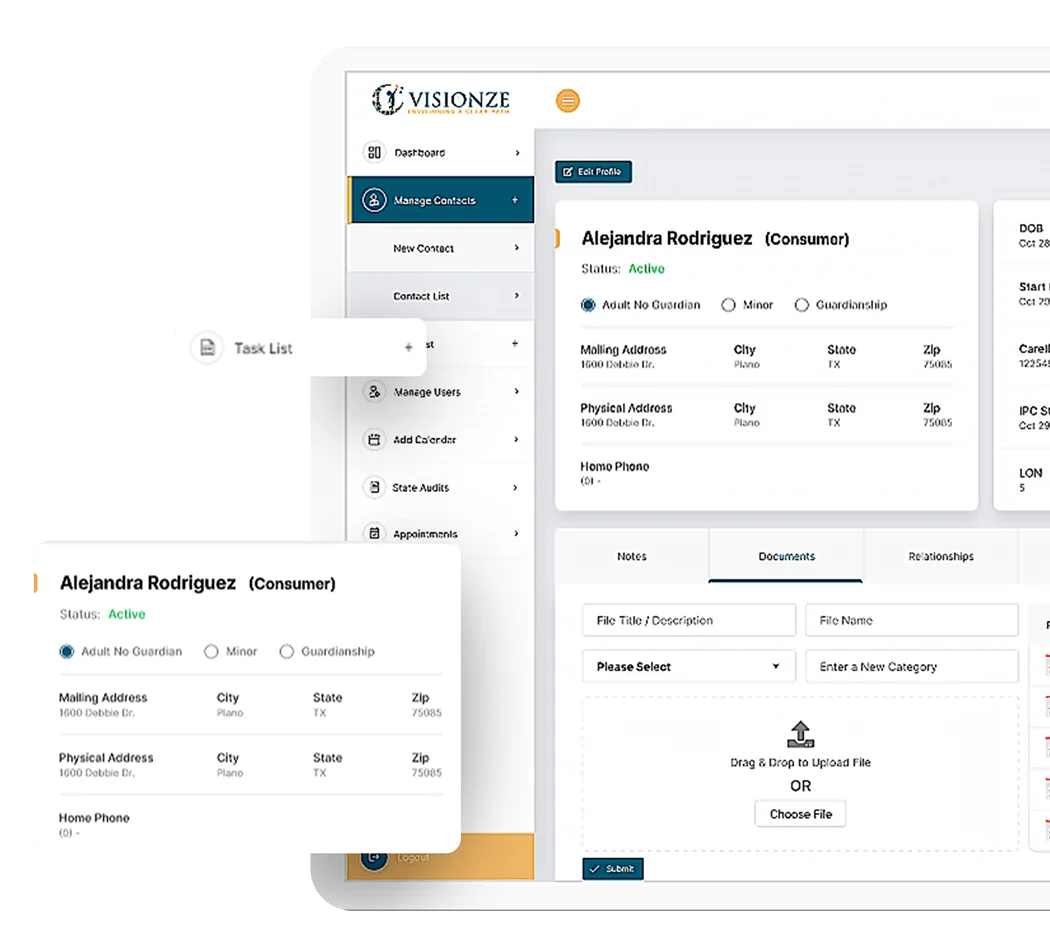

Built a secure digital lending platform that automated loan approvals and streamlined financial operations.
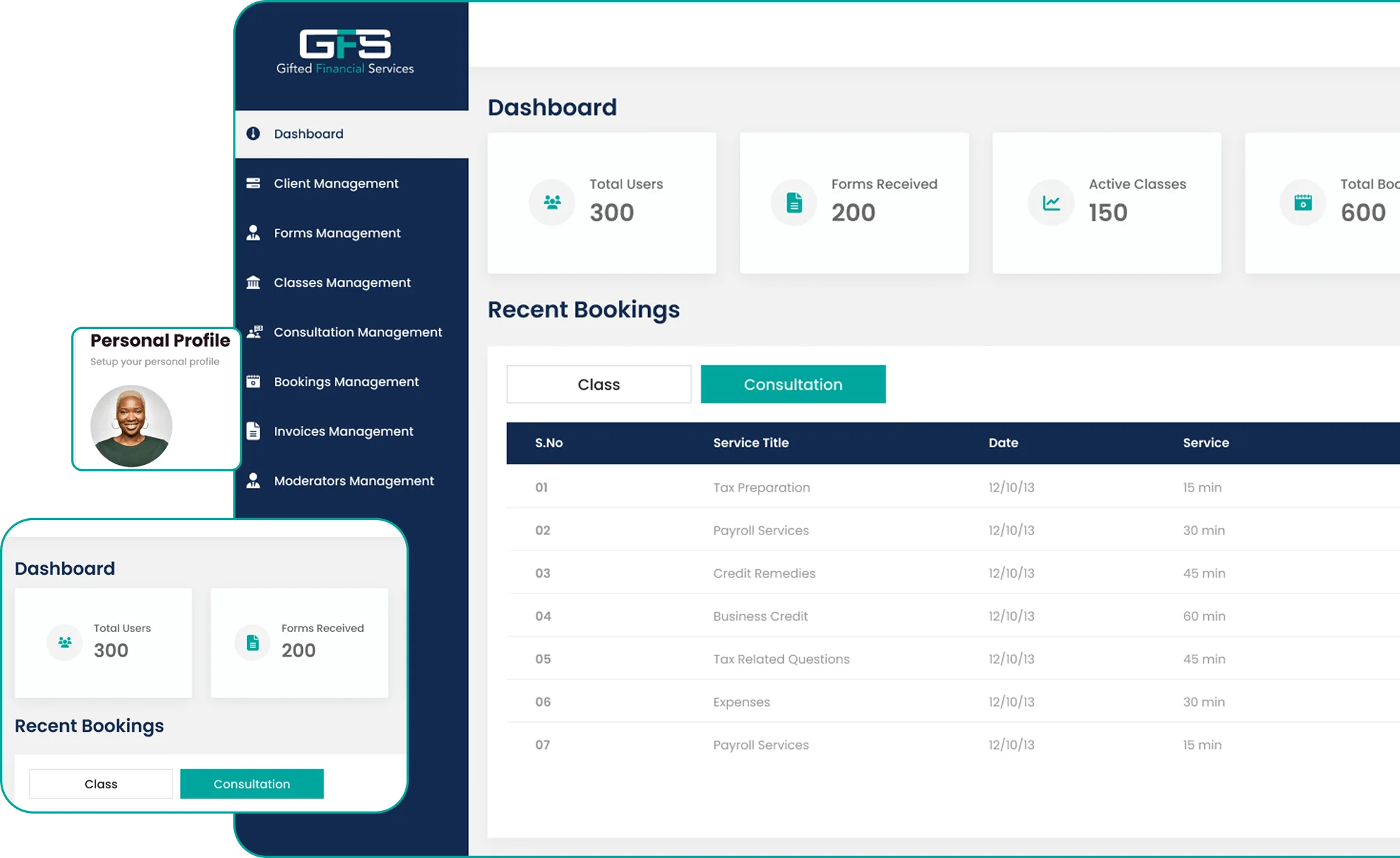
Built a unified education marketplace that connects schools and teachers in one seamless platform.
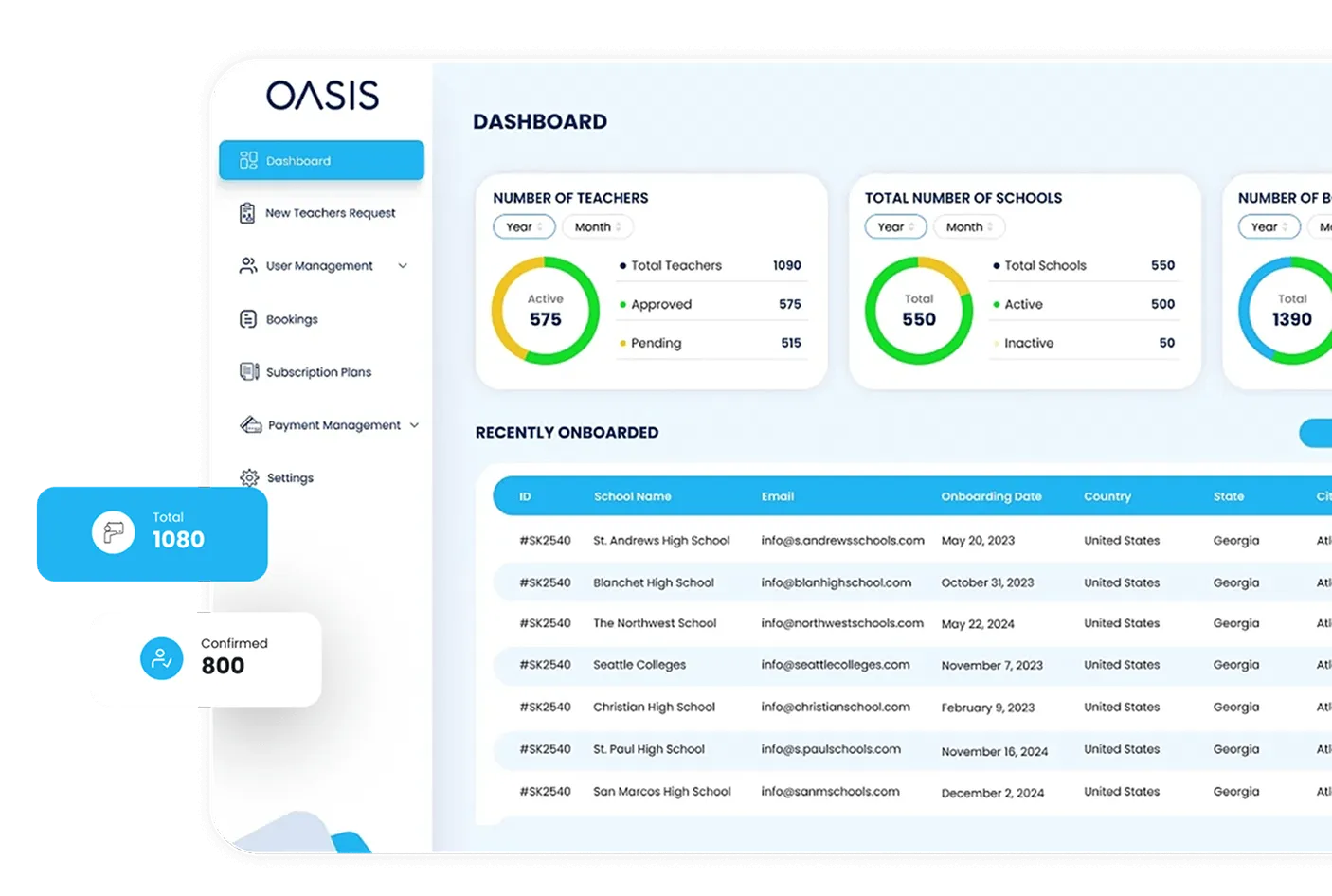
Unified project data across devices to help CPCG manage infrastructure ops more efficiently, with better visibility and fewer delays.
Built a unified digital freight platform that streamlined pricing, tracking, and load matching for logistics operations.

Streamlined EMR workflows across care and billing.
Built a secure digital lending platform that automated loan approvals and streamlined financial operations.
Built a unified education marketplace that connects schools and teachers in one seamless platform.
Legacy systems become a business bottleneck when they fail to meet modern performance, scalability, and security requirements. Organizations invest in legacy software modernization services when outdated technology begins to slow operations, increase costs, and limit growth.
Legacy systems require continuous fixes and workarounds, increasing operational costs while reducing development efficiency.

Outdated architectures cannot handle growing workloads, leading to slower systems, downtime risks, and poor user experience.
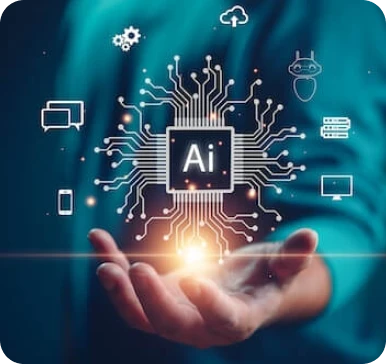
Unsupported legacy software increases exposure to cyber threats and makes it difficult to meet modern compliance standards.
Legacy systems often cannot integrate with cloud platforms, third-party tools, or modern applications, restricting business agility.
Rigid codebases and outdated infrastructure slow development cycles, making it harder to launch new features and stay competitive.

Our legacy modernization company upgrades legacy systems across diverse industries where reliability, integrations, and system control directly impact daily operations and growth.

Re-architecting clinical and administrative healthcare software to unify patient data, support compliance requirements, and reduce delays in care delivery.

Restructuring property and agent-based real-estate software to handle high-volume listings, real-time updates, and distributed brokerage operations.

Rebuilding learning and edtech software to support concurrent users, structured content delivery, and performance tracking across large user bases.

Transforming operations with logistic software to coordinate fleets, shipments, and warehouses through real-time data synchronization.

Refactoring fintech systems to handle high-frequency processing, strict security layers, and regulatory reporting without latency.

Reworking ecommerce backends to manage inventory accuracy, checkout reliability, and peak traffic without system slowdowns.

Redesigning booking engines with travel applications to manage dynamic availability, pricing logic, and multi-provider coordination in real time.

Streamlining order and kitchen restaurant systems to synchronize in-store, takeaway, and delivery operations across multiple locations

Upgrading event-driven sports platforms to support live updates, fan interactions, and spikes in traffic during high-demand moments.

Reengineering dealer and service automotive platforms to connect inventory, service history, and manufacturer systems into a unified workflow.
Modernizing legacy systems is about making precise changes without breaking what already works. That’s where most vendors fail. That’s where we operate differently.

01
We’ve worked on systems where uptime isn’t optional, so we don’t take risky shortcuts. Every change is introduced in a way that keeps your operations stable and predictable.

02
You’re not getting a trial team figuring things out. The people working on your system understand how production environments behave and make decisions based on that.

03
Your system doesn’t pause while we modernize it. Changes are rolled out carefully in the background so users, transactions, and workflows continue without disruption.

04
Most legacy systems are tightly connected, and breaking one link can impact everything. We make sure integrations, APIs, and data flows stay intact while changes happen.

05
We don’t start building and “figure it out later.” What to change, what to keep, and how to execute is clearly defined before any development begins.

06
The end goal isn’t just modernization, it’s control. Your team should be able to run, extend, and scale the system without constantly depending on external support.
Legacy software modernization costs are driven by how much of your system needs to change. Most projects focus on targeted improvements, which keeps investment controlled while delivering measurable impact.
| Scope | Typical Fit | Estimated Cost |
|---|---|---|
| Targeted modernization | UI refresh, small refactors, limited API work, isolated module fixes | $15,000+ |
| Mid-scope modernization | Multiple modules, integration cleanup, partial cloud migration, core workflow updates | $75,000–$150,000+ |
| Large modernization program | Deep refactoring, data migration, architecture changes, multi-system integration | $150,000–$300,000+ |
| Enterprise software modernization | Complex legacy estate, strict uptime requirements, compliance-heavy environments, phased modernization across systems | $300,000+ |
If your system is blocking growth, it’s time to act. Modernize critical components without risking downtime or full rebuilds.
Pick an engagement model based on how your system needs to evolve, including continuous modernization, targeted expertise, or defined execution with clear outcomes.
| Model | When to Use | What You Get |
|---|---|---|
| Dedicated Team | Large, evolving legacy systems | Continuous modernization aligned with your roadmap |
| Staff Augmentation | Need specific modernization expertise fast | Plug-in engineers without losing control |
| Fixed Scope | Clearly defined modernization tasks | Predictable delivery with set outcomes |

React.js

Vue.js

Next.js

Angular

TypeScript

Tailwind CSS

Chakra UI

Bootstrap

Node.js

Python

Java

Ruby on Rails

.Net

Go

PHP

PostgreSQL

AWS

Google Cloud

Microsoft Azure

Kubernetes

Cloudflare

Redis

MongoDB

RESTful API

GraphQL

Stripe

Twilio

Firebase

Salesforce
0Auth 2.O

WebSockets

JWT

SSL

SOC 2

HIPAA

PCI-DSS
Practical lessons and proven strategies to upgrade legacy systems without slowing your business down.

Custom Software, Legacy Software
Why Can Legacy System Integration with AI Fail & How to Fix It?
April 13, 2026


Custom Software, Legacy Software
2026 Legacy Software Modernization Stats Every CTO Should Know
April 10, 2026

Custom Software, Legacy Software
How Much Does Legacy Software Modernization Cost in 2026?
April 10, 2026
Yes. Modernization can be executed in phases by updating components alongside existing systems. This approach allows new and old systems to run in parallel, ensuring continuity while changes are introduced gradually.
Costs vary based on system size, complexity, and approach. Small-scale modernization can start around $20,000–$50,000, while enterprise-level transformations can exceed $300,000+. Incremental modernization helps control costs by focusing on high-impact areas first.
The safest approach is phased modernization, like breaking the system into components, prioritizing critical areas, and modernizing them step by step. This reduces risk, avoids system-wide failures, and maintains operational stability.
Timelines typically range from 3 to 12 months, depending on system complexity and scope. Large systems are often modernized in phases over time rather than through a single transformation project.
Common risks include data loss, system downtime, integration failures, and unexpected dependencies. These risks are reduced through proper system analysis, phased execution, and validation at each stage.
There is no single best strategy. The right approach depends on your system condition and business goals. Options include refactoring, replatforming, rebuilding, or replacing specific components. Most projects use a combination of these.
Yes, and this is the most practical approach for most businesses. Incremental modernization allows you to improve system components over time without disrupting operations or committing to a full rebuild upfront.
Rising maintenance costs, slow performance, difficulty integrating with modern tools, frequent system failures, and slower release cycles are clear indicators that your system needs modernization.
Look for a partner that focuses on system understanding, phased execution, and risk control rather than pushing full rebuilds. Experience with complex systems, clear modernization strategies, and transparent execution planning are key indicators.
Legacy modernization services are the better option when your system still supports core operations but needs improvements in scalability, integrations, or maintainability. Rebuilding is only necessary when the architecture limits future growth.
Data is migrated using structured pipelines with validation checks to maintain integrity. Existing relationships and formats are preserved while improving accessibility and performance.
Modernization uses a mix of technologies including cloud platforms (AWS, Azure, GCP), APIs, containers (Docker, Kubernetes), and modern frameworks depending on system requirements.
AppVerticals has developed 2000+ apps and digital products. Our experts are ready to help you build something amazing.
Submit your details, and our team will reach out to explore how we can bring your idea to life.




1000+ brands trust AppVerticals to create high-performing digital solutions.

Head of Marketing, Al Rostamani Group
Successfully delivered the project on time and within budget. They remained flexible and cooperative with backend content organization, and their support, company culture, and client-centric approach truly stood out.

CEO, Logistics SaaS Startup
The app came together exactly how we hoped. If you're looking for a team that knows what they’re doing and respects your time, they’re a solid choice.

Founder, Real Estate Agency
They delivered a top-tier solution that’s fast, user-friendly, and packed with features tailored to the real estate industry. The team was professional, detail-oriented, and easy to work with from start to finish.








Share a few details and get a clear timeline, cost estimate, and technical roadmap, tailored to your idea.